
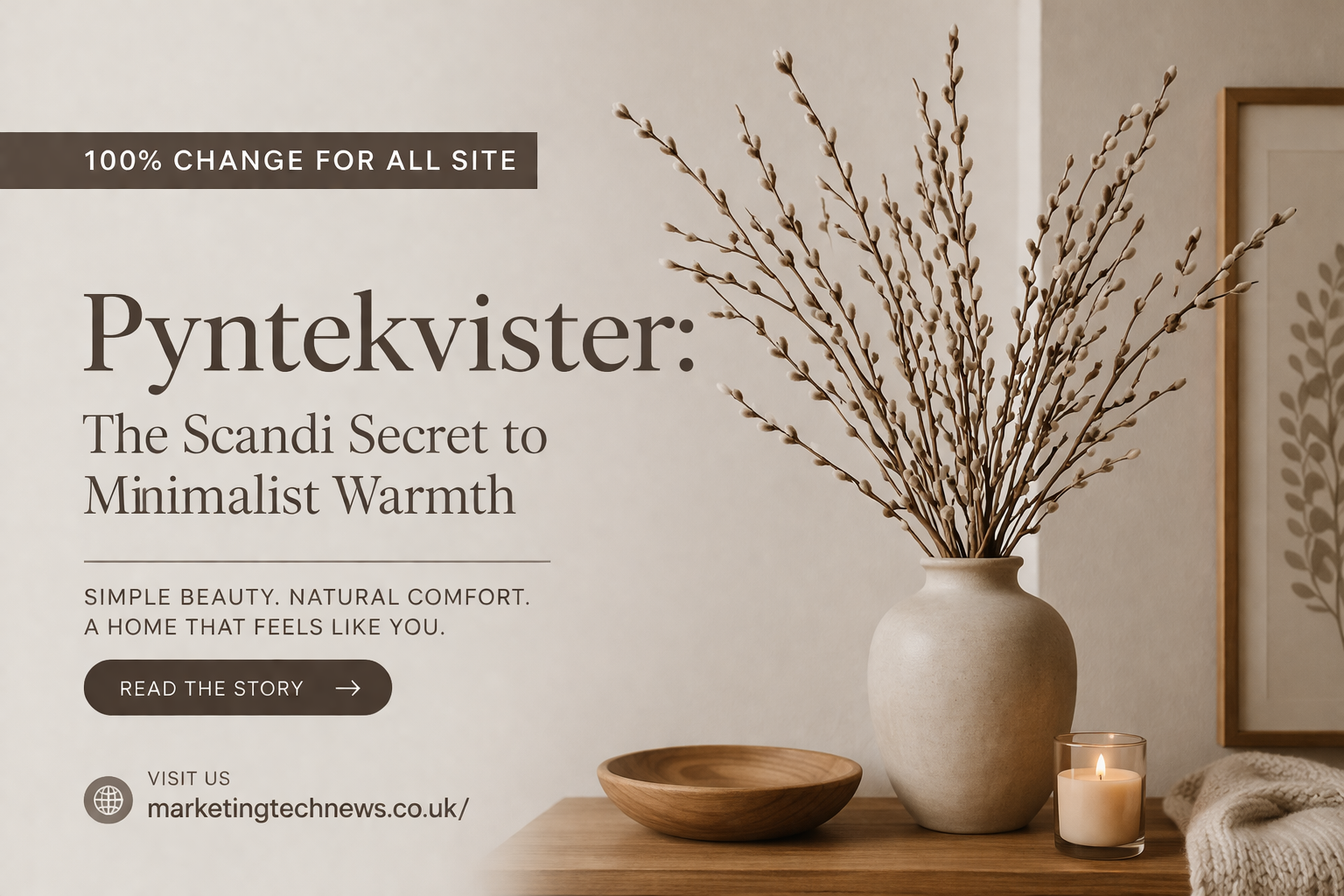
In a world where home décor trends often swing between bold maximalism and stark minimalism, there’s a quiet Scandinavian concept that perfectly bridges the gap: Pyntekvister. Rooted in Nordic tradition and simplicity, pyntekvister brings warmth, texture, and natural beauty into living spaces—without clutter or excess.
If you’ve ever admired the cozy yet uncluttered aesthetic of Scandinavian interiors, pyntekvister may be the subtle secret you’ve been missing.
What Is Pyntekvister?
Pyntekvister is a Scandinavian term that translates roughly to “decorative branches.” It refers to the art of using natural twigs, branches, or stems as minimalist decorative elements in the home. Rather than relying on artificial décor or overly styled arrangements, pyntekvister embraces nature in its raw, imperfect form.
These branches are often displayed in simple vases, hung on walls, or styled seasonally—making them both versatile and timeless.
Why Pyntekvister Is So Popular
The growing popularity of pyntekvister isn’t just about aesthetics—it’s about lifestyle. Here’s why it resonates with so many people:
1. Minimalism with Warmth
Unlike cold, empty minimalism, pyntekvister adds a touch of organic warmth. A single branch in a neutral vase can instantly make a room feel more inviting.
2. Budget-Friendly Décor
You don’t need to spend money on expensive decorations. Branches can be collected from your garden, a park, or even roadside trees.
3. Seasonal Flexibility
Pyntekvister adapts beautifully to every season:
- Spring: budding branches or blossoms
- Summer: lush green stems
- Autumn: dried leaves or golden tones
- Winter: bare branches, sometimes decorated with lights
4. Eco-Friendly Living
Using natural materials reduces waste and supports a more sustainable lifestyle—something deeply valued in Scandinavian culture.
How to Style Pyntekvister in Your Home
You don’t need to be an interior designer to master pyntekvister. Its charm lies in simplicity.
Choose the Right Branches
Look for branches with interesting shapes, curves, or textures. Imperfection is part of the beauty.
Keep the Vase Simple
Neutral tones like white, beige, grey, or clear glass work best. The goal is to let the branches stand out naturally.
Focus on Placement
- Dining tables for a centerpiece
- Entryways for a welcoming touch
- Living rooms for subtle elegance
- Bedrooms for a calming vibe
Don’t Overcrowd
One or two branches are often enough. Pyntekvister thrives on restraint.
Creative Pyntekvister Ideas
If you want to elevate your décor, try these creative approaches:
- Hanging Display: Suspend branches from the ceiling with string for a floating effect
- Wall Art: Mount branches horizontally or vertically as natural artwork
- Fairy Lights: Wrap soft lights around branches for a cozy glow
- Holiday Themes: Add ornaments during festive seasons without overwhelming the natural look
Pyntekvister and Scandinavian Philosophy
At its core, pyntekvister reflects deeper Scandinavian values—simplicity, connection to nature, and mindful living. It aligns closely with concepts like “hygge” (coziness) and “lagom” (balance), encouraging people to find beauty in less rather than more.
By bringing a piece of the outdoors inside, pyntekvister creates a calming atmosphere that promotes relaxation and well-being.